Who Is Responsible for Sidewalk Injuries in New York City?
Who Is Responsible for Sidewalk Injuries in New York City?
If you trip and fall on a public sidewalk in New York City, you may assume the City is responsible.
In most cases, that is no longer true.
Since 2003, New York City law has shifted responsibility for maintaining and repairing public sidewalks from the City to the adjoining property owner.
Understanding who is legally responsible is critical if you have suffered a sidewalk injury.
The 2003 Law Change: NYC Administrative Code 7-210
Prior to 2003, the City of New York was generally responsible for sidewalk maintenance. To sue the City, an injured person had to prove the City had prior written notice of the defect and failed to repair it.
That changed when Mayor Bloomberg enacted NYC Administrative Code 7-210.
Under this law:
- Property owners are responsible for maintaining and repairing sidewalks adjacent to their property
- Property owners may be held liable for injuries caused by sidewalk defects
- The City is generally not responsible unless it owns the property
Exception: One-to-Three Family Owner-Occupied Homes
There is an important exception.
If the property is:
- A one-, two-, or three-family home
- Owner-occupied
- Used exclusively for residential purposes
Then the homeowner is typically not responsible for sidewalk defects.
The purpose of this exception is to avoid imposing financial hardship on small residential property owners.
However, if the property is used for commercial purposes — even partially — this protection may not apply.
For example:
- A storefront rental
- A professional office in the home
- Renting out a garage to non-residents
In those cases, the property owner may be responsible for sidewalk maintenance.
What About Driveways and “Special Use” Areas?
Even owner-occupied one-to-three family homes may be responsible under the “special use” doctrine.
Special use includes situations where a property owner benefits from a portion of the sidewalk, such as:
- A driveway apron
- A curb cut
- An oil filler cap
- Any modification for private use
If a defect exists in an area of special use, the property owner may be liable for injuries — even if they would otherwise fall under the residential exception.
What Is Considered a Dangerous Sidewalk Defect?
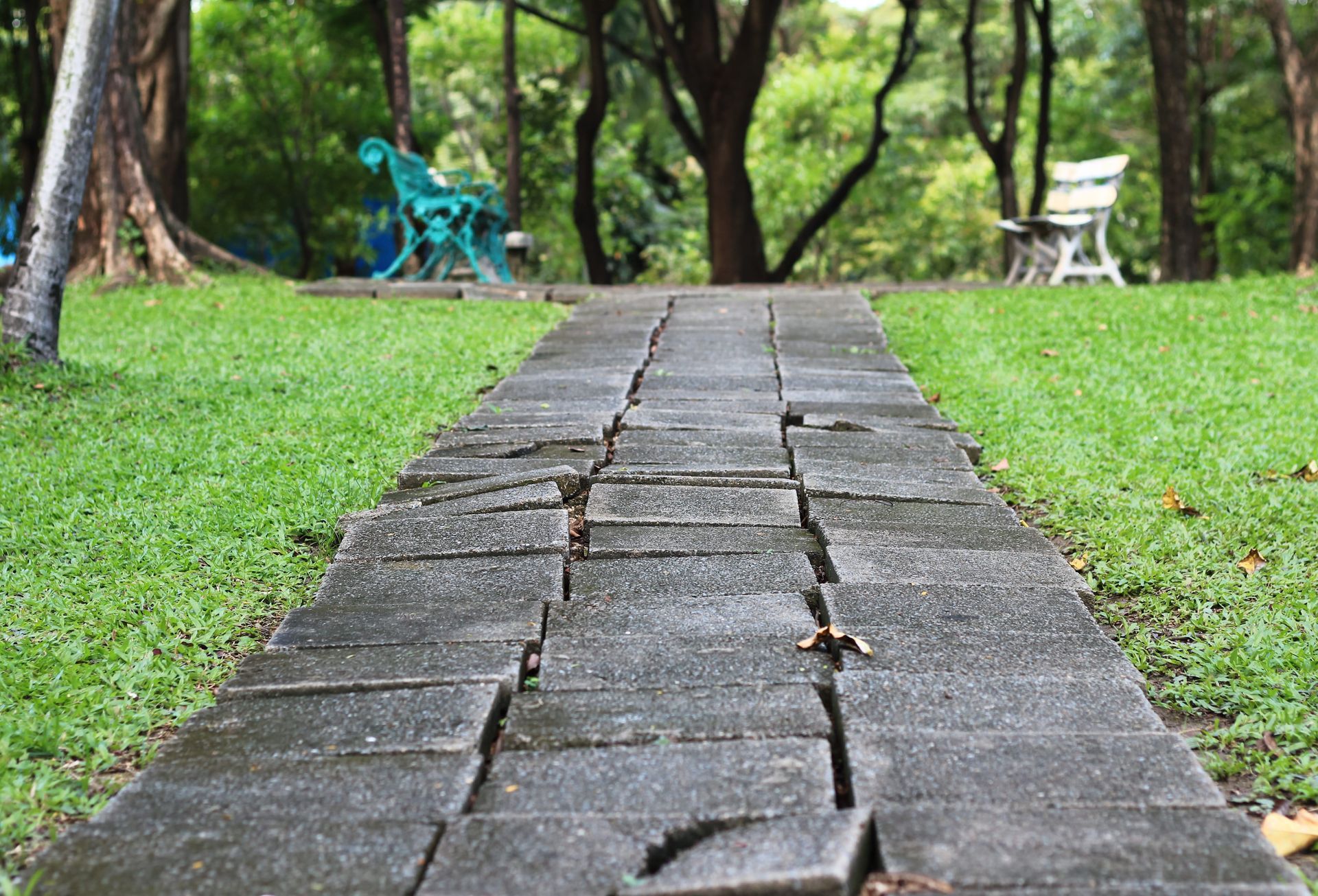
In order to pursue a sidewalk injury claim, the defect must generally be significant.
As a general rule:
- A defect must typically measure ½ inch or greater in height or depth
- Smaller defects may be considered “de minimis” and not legally actionable
Each case is fact-specific, and measurement by an expert may be necessary.
What Should You Do After a Sidewalk Trip and Fall?
If you are injured in a sidewalk fall in NYC:
- Photograph the defect immediately
- Document the exact location
- Obtain witness information
- Seek medical attention
- Contact an experienced sidewalk injury attorney as soon as possible
Sidewalk conditions can change quickly after an accident. Early documentation is critical.
Why Legal Guidance Matters
Determining responsibility for sidewalk injuries in New York City can be complex.
Liability depends on:
- Property ownership
- Occupancy status
- Commercial use
- Special use
- Size of the defect
An experienced attorney can investigate the property records, measure the defect, and identify the responsible party.
Contact Gray Law for a Free Consultation
If you were injured in a sidewalk trip and fall in New York City, you may be entitled to compensation.
Attorney John Gray understands the complexities of NYC sidewalk liability law and can help you determine who is responsible.